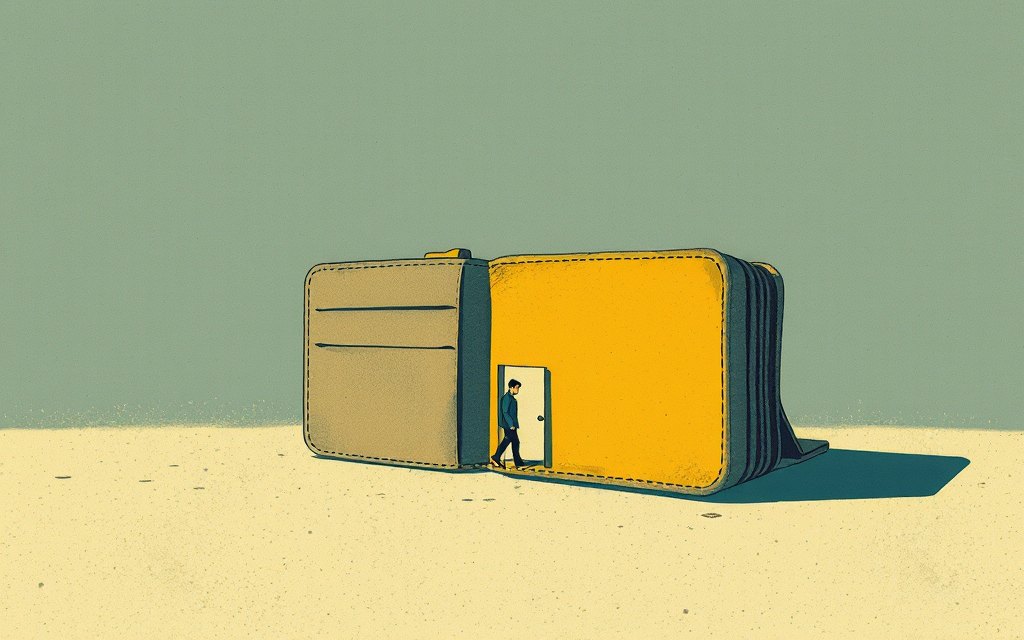

The simple act of swiping a plastic card has fundamentally changed our relationship with money. It’s a transaction we perform daily, often without a second thought. But which card are you pulling from your wallet? For many, the debit card is the default choice—a direct line to the money they’ve already earned. It feels responsible, straightforward, and safe. After all, you can’t spend what you don’t have, right?
This line of thinking is powerful. It anchors us to the reality of our bank balance, promoting a sense of financial discipline. Yet, is this the full picture? The financial tools we use are rarely neutral; they subtly shape our habits, influence our psychology, and alter our long-term outcomes. The debit card is no exception. It is a tool with two distinct faces—one that promotes careful budgeting and another that leaves us exposed to risks and missed opportunities.
Understanding the dual nature of debit cards is essential for anyone looking to make more intentional financial decisions. This isn’t about declaring one card “good” and another “bad.” Instead, it’s about dissecting the trade-offs we make with every tap and swipe. Let’s explore the clear benefits and hidden drawbacks of relying on your debit card for everyday spending.
The Case for Debit: Control and Simplicity
The primary appeal of the debit card lies in its directness. It operates on a simple, intuitive principle: spend your own money. This creates a powerful psychological framework that encourages discipline and awareness.
Pro: It Keeps You Debt-Free
The most significant advantage of a debit card is that it prevents you from accumulating high-interest consumer debt. Every purchase is immediately deducted from your checking account. This built-in spending limit—your current balance—acts as a natural guardrail. You are forced to live within your means because the alternative isn’t an option. For individuals who struggle with overspending or have a history of credit card debt, this feature is invaluable. It transforms spending from a “buy now, pay later” mentality into a “buy now, if you can afford it now” reality. This simple shift can be the foundation of a healthy financial life.
Pro: It Simplifies Budgeting
When you use a debit card, your bank statement becomes a real-time ledger of your spending. There’s no need to track a separate credit card balance or worry about future bills. This makes budgeting more straightforward. You can look at your account and know exactly how much money you have left to allocate for the rest of the month. This clarity helps in making conscious spending decisions. Are you considering a spontaneous purchase? A quick glance at your banking app provides an immediate answer on whether it fits your budget, without the complicating factor of available credit.
Pro: It’s Widely Accepted and Convenient
Debit cards, typically bearing a Visa or Mastercard logo, are accepted almost everywhere. They offer the same convenience as a credit card for everyday purchases without the associated risks of borrowing. Furthermore, they double as ATM cards, providing easy access to cash when needed. This universal utility makes them a simple and reliable tool for managing daily transactions, from buying groceries to paying bills online.
The Hidden Costs: Risks and Missed Opportunities
While the debit card champions a responsible spending model, its drawbacks are often less visible but equally significant. These downsides relate to security, financial growth, and the opportunity costs of not using a different tool.
Con: Limited Fraud Protection
This is perhaps the most critical drawback. When a thief uses your debit card fraudulently, the money is taken directly from your checking account. While banks are required by law to investigate and typically reimburse you, the process can be slow. During that time, your actual funds are gone. This can lead to bounced checks, missed bill payments, and significant financial stress.
Credit cards, on the other hand, offer superior protection. When a fraudulent charge occurs on a credit card, it’s the card issuer’s money that is at risk, not yours. You can dispute the charge, and you are not liable for it while the company investigates. This distinction is crucial: with debit, you’re fighting to get your money back; with credit, you’re disputing a charge on a bill you haven’t paid yet.
Con: No Opportunity to Build Credit
Your credit score is a vital component of your financial identity. It affects your ability to get a loan for a car or a house, the interest rates you’ll be offered, and even things like insurance premiums. Using a debit card does absolutely nothing to build or improve your credit history. Your record of responsible spending—paying for everything on time and in full—goes completely unnoticed by credit bureaus. By exclusively using a debit card, you are missing a crucial opportunity to build a positive credit profile, which can save you thousands of dollars in interest over your lifetime.
Con: You Forfeit Rewards and Perks
The credit card industry is highly competitive, and issuers offer valuable rewards to attract customers. These can include cash back, travel points, and exclusive benefits like purchase protection, extended warranties, and rental car insurance. A consistent 1.5% to 2% cash back on all purchases may seem small, but it adds up. Spending $2,000 a month on a credit card could earn you $480 in cash back over a year—money you simply leave on the table by using debit. These rewards are not “free money” but rather a rebate on spending you are already doing.
Smart Money Talk Takeaway
The choice between a debit and credit card is not just about convenience; it’s a strategic decision with long-term financial implications. Your debit card is a powerful tool for enforcing discipline and avoiding debt, making it an excellent choice for anyone rebuilding their financial habits or who finds credit tempting. It excels in its simplicity and its ability to keep your spending grounded in reality.
However, once you have established a solid foundation of financial discipline, relying solely on a debit card becomes a defensive-only strategy. You protect yourself from debt but sacrifice the opportunity to build your credit score and earn valuable rewards. The superior fraud protection offered by credit cards also provides a critical safety net for your liquid cash.
A balanced approach may be the wisest path. Use a credit card for everyday, planned purchases as if it were a debit card—paying the balance in full each month. This allows you to build credit, earn rewards, and enjoy better fraud protection. Meanwhile, keep your debit card for ATM withdrawals and as a backup. By understanding the distinct pros and cons of each, you can move from making passive choices to employing a deliberate strategy, ensuring every swipe of plastic works in your favor.
-
💬 Drop your thoughts in the comments — I’d love to hear how you’re shifting your money mindset.
-
🔁 Share this with a friend or colleague who needs to hear it — wealth grows faster when we grow together.
-
❤️ Like & restack this post to keep Smart Money Talk reaching more people like you.